

Welding Machine Maintenance: Keep Your Welder Running Strong for Years
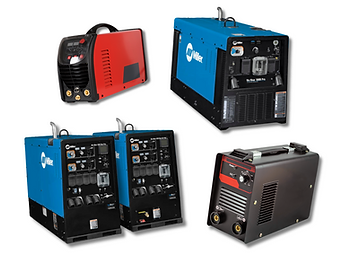
Welding machines are a serious investment, and like any hard-working tool, they need proper care to stay reliable. Regular maintenance doesn’t just extend the life of your welder—it ensures better performance, safer operation, and fewer costly repairs down the line. In this guide, we'll walk you through essential maintenance tips to keep your welding machine running strong for as long as possible.
1. Know Your Welder’s Maintenance Schedule
Every welder has a recommended maintenance interval. Check your machine’s manual for specific timelines on cleaning, inspections, and part replacements. Some tasks are daily, while others might be monthly or yearly. Staying on schedule prevents minor issues from turning into major repairs.
2. Keep it Clean
Welding environments are dusty, dirty, and full of metal debris. Keeping your welder clean is crucial.
Tips:
Blow out dust and debris from vents and cooling fans regularly.
Wipe down the machine after use, especially around controls and connections.
Keep spatter away from wire feeders and rollers.
A clean welder not only performs better but also cools more efficiently, reducing the risk of overheating.

3. Inspect Cables & Leads Frequently
Cables and connections take a beating during everyday use. Damaged cables can cause voltage drops, poor arc quality, or even electrical hazards.
Inspect for:
Frayed insulation
Loose or corroded connections
Burn marks or exposed wire
Replace damaged cables immediately to maintain safe and effective operation.

4. Check Consumables Regularly
Contact tips, nozzles, and diffusers wear down over time, affecting arc quality and wire feed consistency.
Maintenance Tips:
Inspect contact tips for wear or clogs.
Replace nozzles that are damaged or full of spatter.
Keep spares on hand for quick swaps.
Well-maintained consumables make a noticeable difference in weld quality.
5. Monitor Cooling Systems
Overheating is a welder’s worst enemy. Ensure your cooling system is working properly.
Steps:
Clean fans and filters regularly.
For water-cooled systems, check fluid levels and inspect for leaks.
Avoid blocking airflow by keeping the machine away from walls and debris.

6. Check Wire Feed Assembly (For MIG Welders)
The wire feed mechanism is essential for smooth operation.
Maintenance Checklist:
Clean drive rollers and replace if worn.
Check liner for blockages or excessive wear.
Ensure wire spool spins freely.
Smooth wire feeding prevents arc instability and burnbacks.
7. Don’t Ignore Software & Firmware Updates
For modern digital welders, manufacturers often release firmware updates that fix bugs or improve performance. Check with your manufacturer periodically to ensure your machine is running the latest version.
8. Store Your Welder Properly
When not in use, store your machine in a clean, dry area away from moisture and corrosive elements. Covering it with a dust cover can prevent buildup and prolong its lifespan.
Conclusion
A little maintenance goes a long way. By following these steps, you can prevent breakdowns, extend your welder’s lifespan, and ensure every weld you lay down is as strong as the last. If you need parts, consumables, or professional servicing, Bill's Welder Repair has you covered.
Contact us today for expert advice, tech support calls, or shop our online parts store.
Stay tuned to our blog for more welding tips, repair guides, and maintenance advice!


Comments